Why Seasonal Planning Makes or Breaks Midwest Supply Chains
The Great Lakes Mega Region doesn’t ease into its seasons—it swings hard between them. Winter locks down flatbed capacity and turns rail switches into frozen liabilities. Spring floods the market with construction materials and agricultural freight simultaneously. Q4 holiday surges compress warehouse space and drive up rates across every mode. For shippers moving freight through the Toledo/Walbridge corridor, the difference between a smooth peak season and a costly scramble comes down to one thing: how early and how thoroughly you plan.
At American Rail Center, we’ve built our operations around exactly this reality. Our rail-served facility in Walbridge, OH sits at the heart of the Great Lakes Mega Region—positioned to absorb seasonal volatility and keep your supply chain rolling when the rest of the network is under pressure.
The Four Seasonal Pressure Points
Understanding when and why freight markets tighten is the foundation of smart seasonal planning. Here’s what we see every year:
- Winter (November–February): Flatbed and open-deck capacity shrinks as cold weather reduces driver availability. Rail networks face switch failures, track contraction, and speed restrictions that extend transit times. Capacity tightens, rates spike, and shippers without pre-arranged solutions scramble for alternatives.
- Spring (March–May): Construction season ignites flatbed demand—rates can jump 20–40% between February and April. Produce movements tighten reefer and dry van capacity simultaneously. Late-season storms and flooding can disrupt rail lines and port access with little warning.
- Summer (June–August): Agricultural harvests across Indiana, Illinois, Michigan, and Wisconsin create localized capacity disruptions from July through September. Infrastructure projects keep flatbed demand elevated. External shocks—fuel supply disruptions, national capacity tightening—ripple through the Midwest network.
- Q4 Peak (September–December): Holiday retail demand compresses warehouse space and drives peak season surcharges across all modes. Shippers who haven’t secured capacity and storage well in advance face premium pricing and limited options.
Transloading: Your Seasonal Flexibility Engine
One of the most powerful tools for managing seasonal demand swings is transloading—and it’s a core capability we deliver at American Rail Center. When ocean containers arrive at coastal ports, moving them directly into the domestic distribution network via 53-foot trailers or rail containers accelerates time-to-market and eliminates costly demurrage fees.
During peak seasons, transloading does more than cut costs. It gives you inventory control. Goods staged at our Walbridge facility can be released into the network as demand dictates—smoothing out supply chain flows rather than flooding distribution centers all at once. Shipments can be split and routed to multiple destinations, giving you the flexibility to respond to shifting market conditions without locking into rigid delivery schedules.
Our transloading services handle bulk, flatcar, boxcar, and crane operations—seamless cargo transitions across modes, executed with speed and accuracy. When seasonal pressure peaks, that flexibility is what keeps your operation moving.
Buffer Warehousing: Build the Cushion Before You Need It
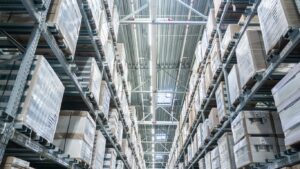
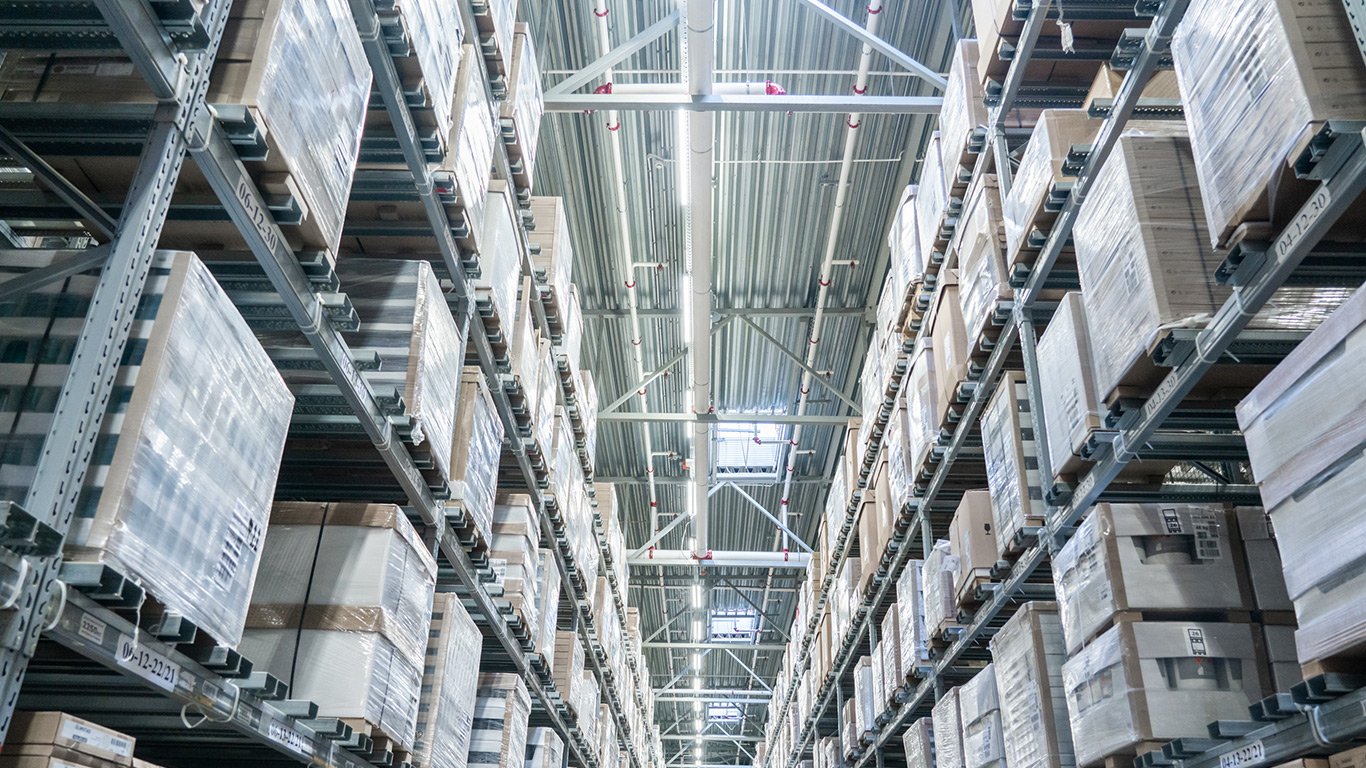
The shippers who navigate peak seasons best share a common strategy: they build inventory buffers before demand spikes, not after. Our 300,000+ square feet of distribution and warehousing space at American Rail Center is designed to support exactly this approach.
Holding buffer stock at a rail-served facility near Toledo means your inventory is positioned close to key Midwest consumer markets—ready to deploy when demand accelerates. It also means you’re not competing for warehouse space at peak pricing when everyone else is scrambling. We offer scalable storage solutions, including heavy storage and laydown yards for oversized industrial materials, so your buffer strategy works whether you’re managing consumer goods or bulk industrial freight.
Our 24/7 operational support ensures that when you need to move inventory—whether it’s a planned seasonal release or an urgent response to a market shift—we’re ready to execute. On-time, every time.
Cold-Weather Rail Operations: What We Do Differently
Winter in the Midwest is not a logistics inconvenience—it’s a genuine operational challenge. Rail infrastructure contracts in extreme cold, making switches vulnerable to failure and tracks susceptible to fractures. Fine blowing snow can compromise locomotive systems. Speed restrictions reduce network capacity and extend transit times. The winters of 2013–2014 saw some Midwest rail operators cut train lengths by 50% to maintain safe braking performance.
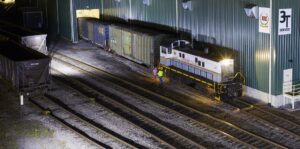
At American Rail Center, our railcar switching and storage operations are built for year-round performance. We maintain our infrastructure proactively—not reactively—so that when temperatures drop, our Class 1 interchange connections continue to deliver twice-daily service without the delays that plague less-prepared facilities. Our in-house truck fleet provides the critical last-mile flexibility to bridge gaps when rail transit times extend due to weather, keeping your supply chain intact even when conditions deteriorate.
For shippers storing railcars through the winter, our railcar repair services keep your fleet in peak condition—minimizing downtime and maximizing operational efficiency when spring demand returns.
Building a Resilient Seasonal Strategy: Five Steps
Seasonal logistics resilience isn’t a single tactic—it’s a system. Here’s how we recommend approaching it:
- Forecast early and share it: Use historical data and market trend analysis to anticipate demand spikes. Share those forecasts with your logistics partners so capacity can be secured before the market tightens.
- Diversify your transportation modes: Don’t rely on a single mode. Rail offers cost efficiency for high-volume moves; our in-house truck fleet—vacuum tankers, pneumatic, vans, flatbed, container—provides the flexibility to pivot when rail capacity is constrained.
- Stage inventory strategically: Position buffer stock at rail-served facilities close to your key markets. Our Walbridge location gives you direct access to the Great Lakes Mega Region’s distribution network.
- Leverage transloading to accelerate flow: Move goods from ocean containers into the domestic network quickly, reduce demurrage exposure, and maintain inventory control through peak demand periods.
- Partner with a 24/7 operation: Seasonal disruptions don’t follow business hours. Our around-the-clock operations mean your freight keeps moving regardless of when a weather event or demand surge hits.
Your Seasonal Logistics Partner in Walbridge, OH
American Rail Center has spent 50+ years building the infrastructure, partnerships, and operational expertise to help Midwest shippers navigate every season with confidence. Our rail-served mega distribution railport—with direct Class 1 connections, twice-daily interchanges, 300,000+ sq ft of warehousing, and a full in-house truck fleet—is purpose-built to absorb seasonal volatility and deliver consistent performance.
Whether you’re preparing for Q4 peak, managing a spring agricultural surge, or building winter resilience into your supply chain, we deliver tailored logistics solutions that keep your operation ahead of the curve. Ready to optimize your seasonal strategy? Contact our team at (800) 999-0336 or request a quote today.